
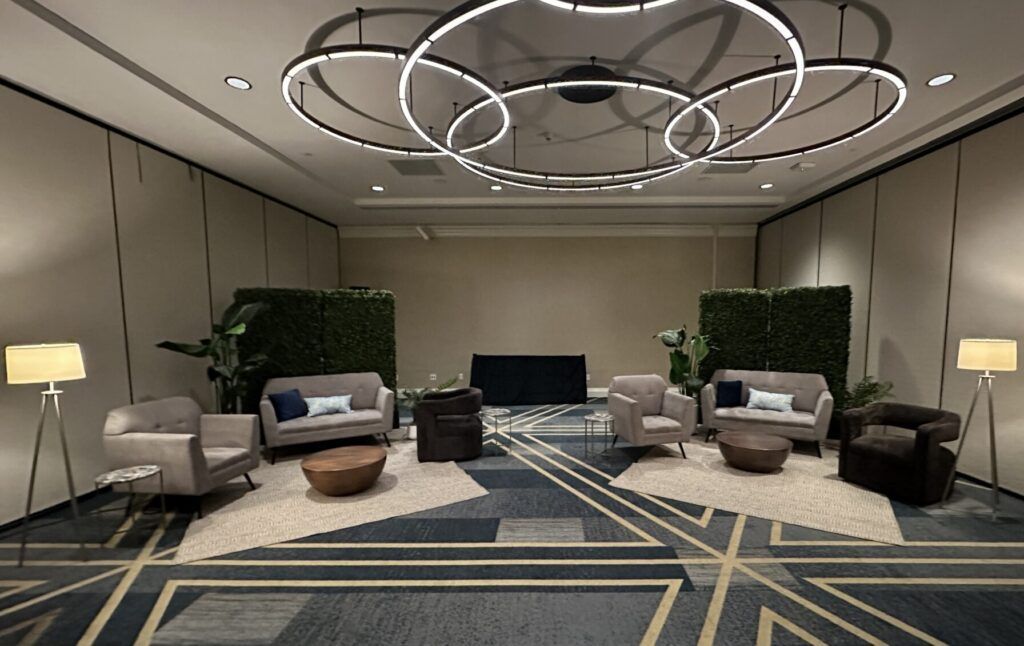
In recent years, the corporate events industry has increasingly prioritized attendee well-being and inclusivity. A key development in this area is the integration of Quiet Areas, also known as sensory spaces or zen zones, into event environments. These specialized areas offer attendees a peaceful retreat to decompress, recharge, and manage sensory overload, significantly improving the overall event experience.
Quiet Rooms are designed to create calming environments with elements such as dimmable lighting, comfortable seating, and minimalist decor. Initially used in educational and therapeutic settings, these spaces have expanded into corporate events to support those with sensory processing challenges. The primary goal is to offer a sanctuary from high-stimulation event settings, allowing individuals to regulate their sensory input and maintain emotional balance.
The inclusion of Quiet Zones in corporate events provides several important benefits:
By providing a space for relaxation and sensory regulation, these rooms reduce stress and anxiety. They are especially beneficial for neurodivergent individuals and others with sensory sensitivities.
Attendees who can manage sensory overload are more likely to actively participate in event activities. Short breaks in a calming space help rejuvenate individuals, leading to improved focus and productivity.
Offering designated areas for sensory relief signals a commitment to inclusivity, ensuring all attendees feel accommodated. This can enhance the event's reputation and appeal to a wider, more diverse audience.
The adoption of sensory-friendly areas in corporate events continues to grow. Companies like Bayer have introduced sensory rooms in their workplaces to alleviate stress, address silent disabilities, and promote overall well-being. Additionally, the global sensory room market is projected to grow significantly. Estimates by Verified Market Research suggest an increase from $1.094 billion in 2023 to $2.565 billion by 2031, with a compound annual growth rate (CAGR) of 11.23%. This growth indicates a widespread recognition of the value of sensory-friendly environments in corporate settings.
Incorporating calming, sensory-friendly spaces into corporate events represents a significant step toward enhancing attendee experiences and promoting inclusivity. As the industry evolves, prioritizing these areas is likely to become a standard practice, offering both organizers and participants environments that cater to diverse sensory needs.